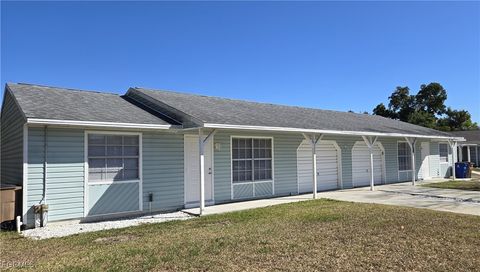
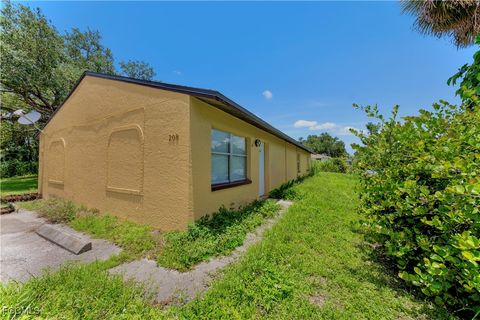
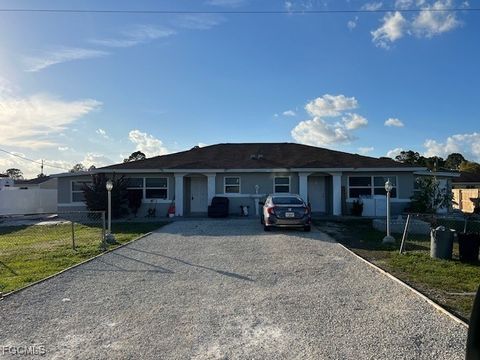
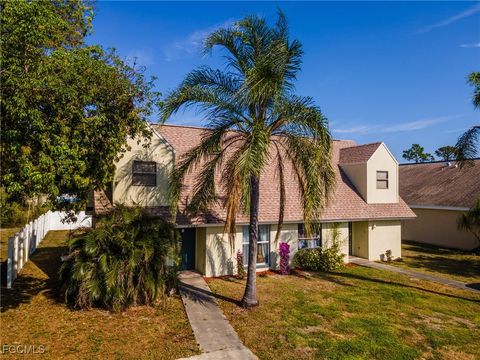
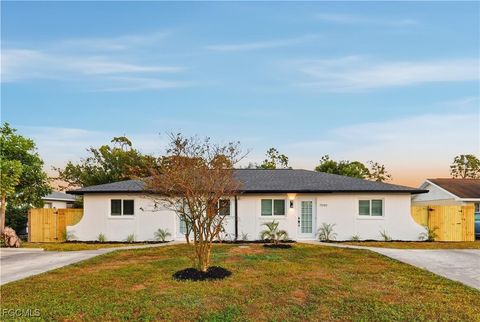
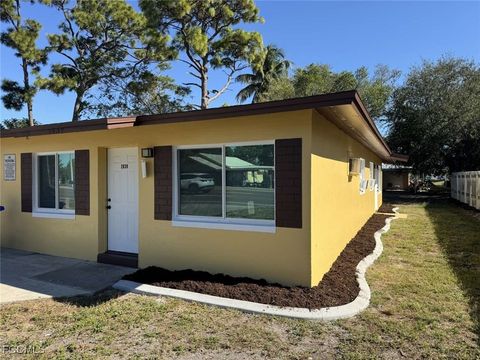
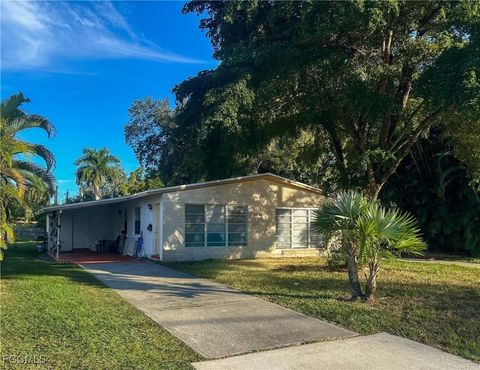
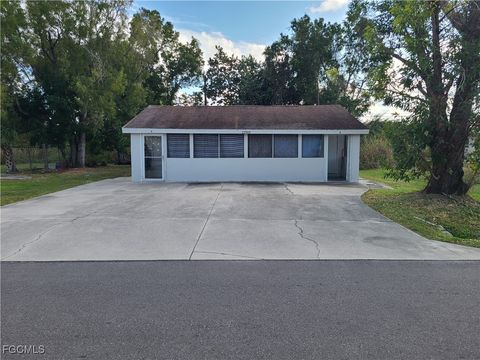
Florida investment property has become one of the most sought-after asset types for individuals looking to generate another stream of income, build equity, and benefit from long-term appreciation. Rental income pays the mortgage while you gain equity in the home – and eventually own the property free and clear.
Is buying rental property the right fit for you?
Whether you’re an experienced buyer or you’re exploring your very first investment, Florida’s booming population growth, favorable tax climate, and year-round rental demand make it a promising place for vacation homes and short term rentals.
Let’s take a look at the details:
Is Rental Property Considered Passive Income?
Buying rental property means you’re stepping into the role of an investor, decision-maker, and, in many cases, landlord. While it’s true that rental income is considered “passive,” the business of real estate investing is anything but hands-off. You’ll be making decisions on renovations, tenant selection, leases, and budgeting—and if you hire a property manager, you’ll still be responsible for overseeing performance and approving major expenses.
That said, Florida investment property has proven its value time and again. When managed properly, a single property can generate consistent monthly income, grow in value over time, and give you meaningful tax deductions. The key is understanding how to approach the investment wisely from the start.
Let’s go through the basics of Florida investment property options:
Financing Options for Florida Investment Property
Buying a rental property in Florida might be more within reach than you think. While many first-time investors assume they’ll need to bring tens of thousands in cash to the table, the reality is more flexible—and in many cases, strategic financing can dramatically reduce your upfront cost.
For conventional investment loans, most lenders in Florida expect a 20% to 25% down payment, depending on the type of property and your credit profile. That’s because rental properties are considered riskier than primary residences, and banks typically offset that risk with higher down payment requirements.
But don’t let that stop you.
Whether you’re dreaming of a beachside duplex or building a passive income portfolio inland, there are smart ways to minimize your out-of-pocket expense.
Leverage Your Home Equity
If you own a home with equity, you may be able to tap into it using one of the following methods:
A home equity loan gives you a lump sum for your down payment.
A HELOC offers flexibility by letting you draw funds as needed.
A cash-out refinance lets you replace your current mortgage with a larger one and use the difference to fund your purchase.
This can be a smart way to invest without liquidating savings or retirement accounts—especially when interest rates are favorable.
Florida Investment Property - Buying Options
If you don’t have tens of thousands of dollars sitting in a savings account, that doesn’t mean you’re out of the game. There are proven strategies that allow new investors to purchase Florida investment property with little or no money down.
House Hacking
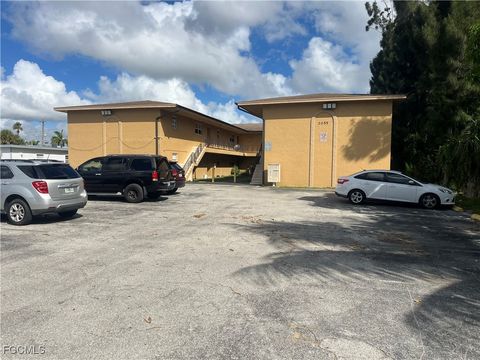
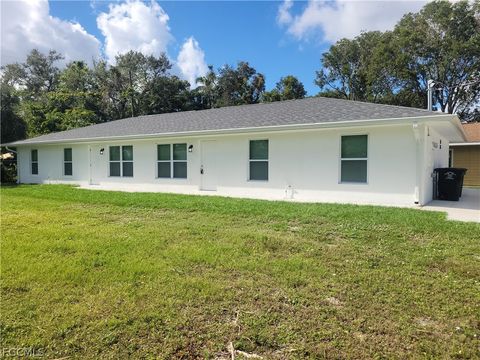
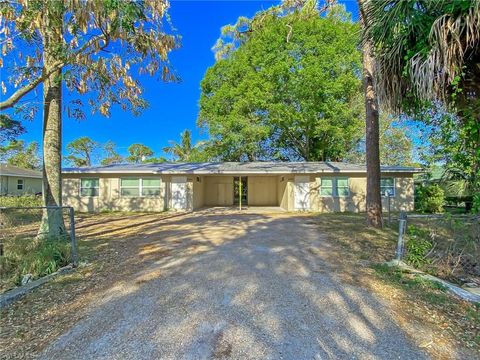
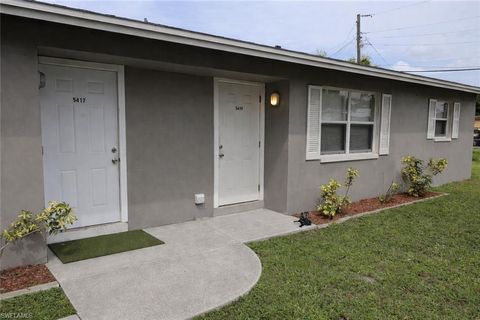
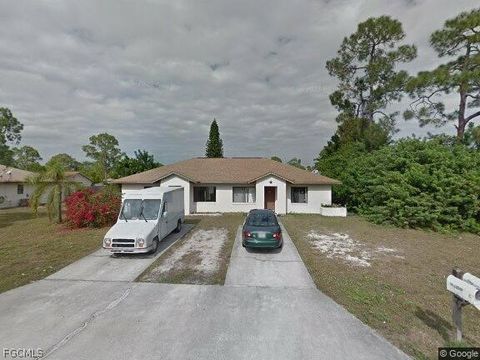
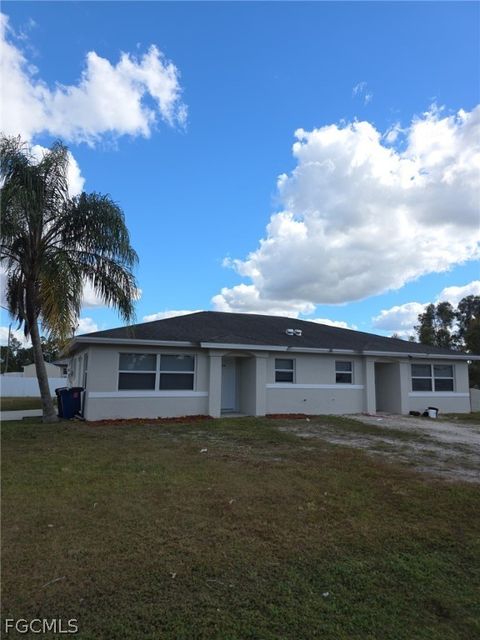
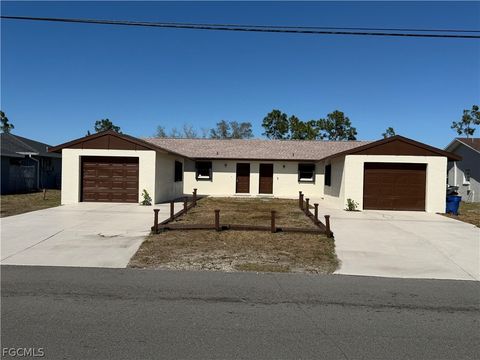
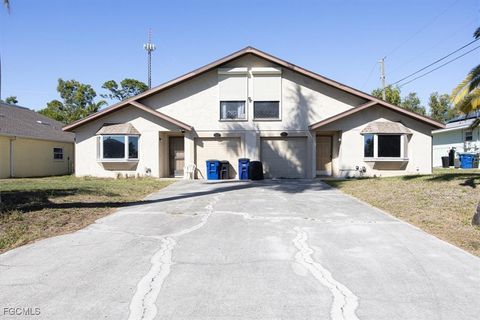
House hacking is one of the most accessible and sustainable entry points into real estate investing. It involves purchasing a multi-unit property—like a duplex, triplex, or fourplex—and living in one of the units while renting out the others. Because you occupy the property as your primary residence, you can qualify for owner-occupied financing options like an FHA loan with as little as 3.5% down.
This strategy dramatically lowers your living expenses—sometimes even eliminating them entirely if the rent from other units covers your mortgage. It also gives you hands-on experience managing tenants, handling basic maintenance, and tracking rental income and expenses. Think of it as a live-in apprenticeship in property investing, with the added bonus of building equity and cash flow at the same time.
Over time, many house hackers transition to full-fledged landlords by moving into a new residence and converting their original unit into another rental, allowing them to build a portfolio steadily with low initial capital.
Florida Investment Property - Understanding the Numbers
This is where many investors separate themselves from hobbyists. Real estate success depends on the math. You need to run a full rental property analysis:
Estimate gross rental income, plus any add-ons like pet rent or storage
Factor in mortgage interest to determine true cash flow
Determine your total cash invested (down payment, closing costs, repairs)
From there, calculate your ROI and cash-on-cash return. Even a modest cash-flowing property can offer a total ROI of 10–20% annually when appreciation and tax advantages are included. But the math has to be based on real market data—your rent comps, your costs, and your plan.
Choosing Your Market
Florida’s markets are not one-size-fits-all. What works in Fort Myers may not work in Jacksonville. Some areas favor appreciation, others favor cash flow. As you evaluate potential cities or neighborhoods, consider:
Job growth and population migration trends
School ratings and local amenities
Average days on market for rentals
Local property taxes and expected insurance premiums
Zoning and short-term rental laws, if applicable
Do your homework, but don’t go it alone. As a realtor experienced in Florida investment property, I’m ready to provide rental comp data, insurance referrals, and insight on local property performance.
Tenant occupancy (leased vs. vacant, lease terms, tenant payment history)
As your realtor, I’m here to provide property history, rental projections, and comparative market analysis.
Is Florida Investment Property Right for You?
Florida investment property can be one of the most lucrative ways to build wealth and passive income—if you approach it with clarity and the right team. It’s not without challenges, but with the right structure in place, it can offer rewards few other investments can match.
Whether you’re funding your first deal through home equity or house hacking, now is a great time to explore what’s possible in SW Florida’s thriving rental market.
Want help running the numbers or locating high-potential properties? I’m here to help. Let’s build your investment future—strategically, sustainably, and profitably.
SWFL Real Estate
Ready to list your SWFL property? Contact me today! I’m here for you every step of the way.