
If you’re asking yourself “Why is my house not selling?” — it’s usually not the market.
Homes are still moving in Southwest Florida.
But buyers are slower, more cautious, and far more sensitive to problems that used to get overlooked.
If you want to sell your house faster in 2026, you have to remove the things that kill deals after you go under contract.
Here are the three that matter most right now.
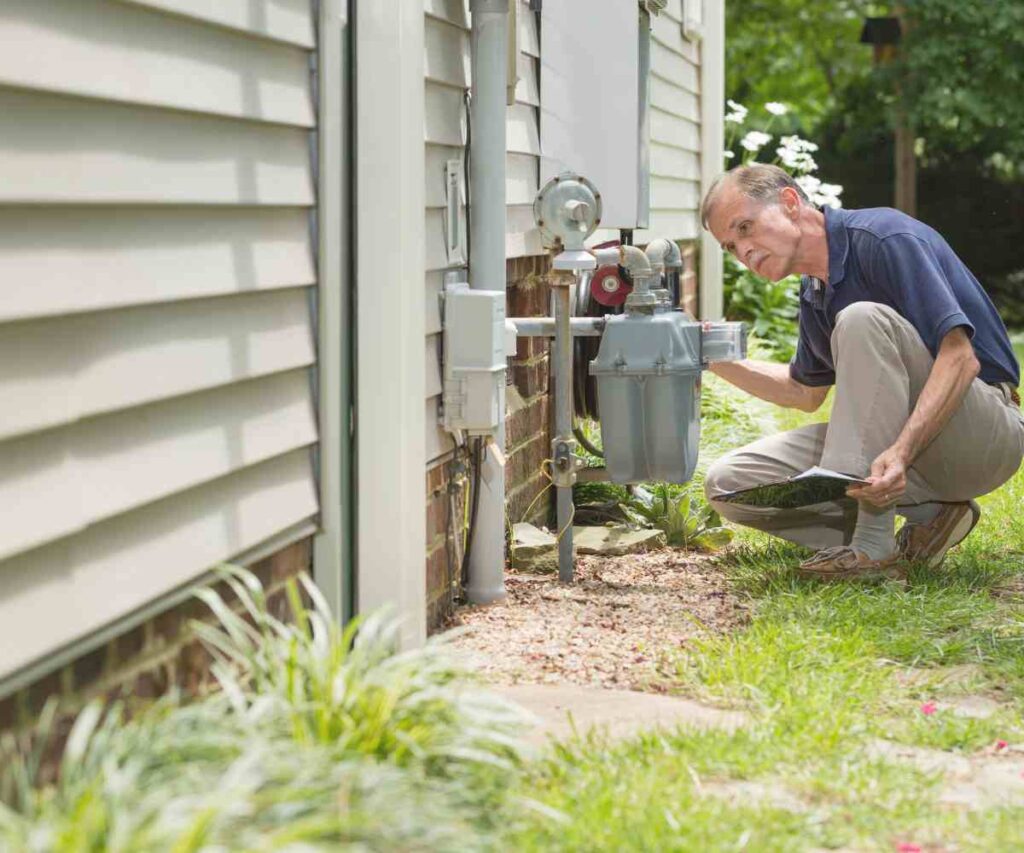
Home Sale Deal Killer #1: 4 Point Inspection Issues
Here in SW Florida, insurance companies often require a 4 point inspection before they will issue a homeowners policy—especially on older homes. Without that coverage, a buyer cannot close.
That puts this step directly in the middle of your real estate transaction.
Many sellers only find out about it after they go under contract. By then, the inspection is no longer information—it’s leverage for the buyer and the insurance company.
The better approach is to treat it as a pre-listing tool, not a surprise.
What Is a 4 Point Inspection in Florida?
A 4 point inspection is a limited inspection used by insurance companies to evaluate the condition of four systems: the roof, electrical, plumbing, and HVAC.
Each of these systems is reviewed because they are the most common sources of insurance claims and costly damage. The goal is not to assess the entire home, but to determine whether these core systems are still considered safe, functional, and within an acceptable range for coverage.
Roof
The inspector reviews the roofing material, visible condition, and estimated remaining life.
Even if a roof is not leaking, signs of wear, age, or prior damage can raise concerns. Insurance companies are focused on how much usable life is left, not just whether it is currently functioning.
Electrical
The electrical system is evaluated for safety and reliability.
This includes the service panel, wiring type, and overall condition. Outdated or known-risk components can trigger concerns because of fire risk and liability.
Plumbing
Plumbing is reviewed for leaks, pipe materials, and overall condition.
Inspectors look for signs of deterioration, past water damage, or materials that are more prone to failure. These issues are closely tied to insurance claims.
HVAC
The HVAC system is checked to confirm it is operating properly.
The inspector looks for visible issues, signs of damage, and general functionality. A system near the end of its life can become a concern for both the buyer and the insurer.
It is not a full home inspection and does not cover every aspect of the property.
It is specifically used to determine whether a home meets current insurance requirements.
The report focuses on the age of each system, its condition, and whether it presents a level of risk the insurance company is willing to accept.
That is what ultimately determines whether a buyer can obtain coverage—and whether the transaction can move forward.

Does Every Home Need a 4 Point Inspection in Florida?
No. It is not required by law.
However, many insurance companies request one on older homes—often around 20 years —and sometimes sooner depending on age, roof condition, or prior updates.
Requirements also vary by carrier, which means two buyers looking at the same home could face different insurance outcomes.
What Fails a 4 Point Inspection in Florida?
A 4 point inspection is not officially “pass or fail,” but it directly affects whether a home can be insured.
Common problems include:
- Roofs near the end of their useful life
- Outdated or unsafe electrical panels
- Plumbing issues or older materials prone to failure
- HVAC systems that are not functioning properly
If these are flagged, the insurance company may require repairs, adjust pricing, or decline coverage altogether.
How a 4 Point Inspection Impacts Your Sale
This is where the connection matters.
If the inspection happens after you accept an offer, you are now negotiating under pressure. The buyer is seeing the same report the insurance company is reviewing, and any issue becomes a problem you have to solve quickly.
That’s when deals slow down—or fall apart.
How to Use a 4 Point Inspection Before You List
A seller can order a 4 point inspection before listing the home.
That gives you control of the information before it becomes a negotiation issue.
Instead of reacting, you can:
- Identify which system is likely to raise concern
- Decide what to fix, update, or leave as-is
- Price the home with full awareness of its condition
It also allows you to answer questions clearly when buyers ask about the home’s systems.
Why This Matters in 2026
Buyers are paying closer attention to total monthly cost, and insurance is a major part of that. A home that is easy to insure is easier to move forward with. A home with unknowns creates hesitation.
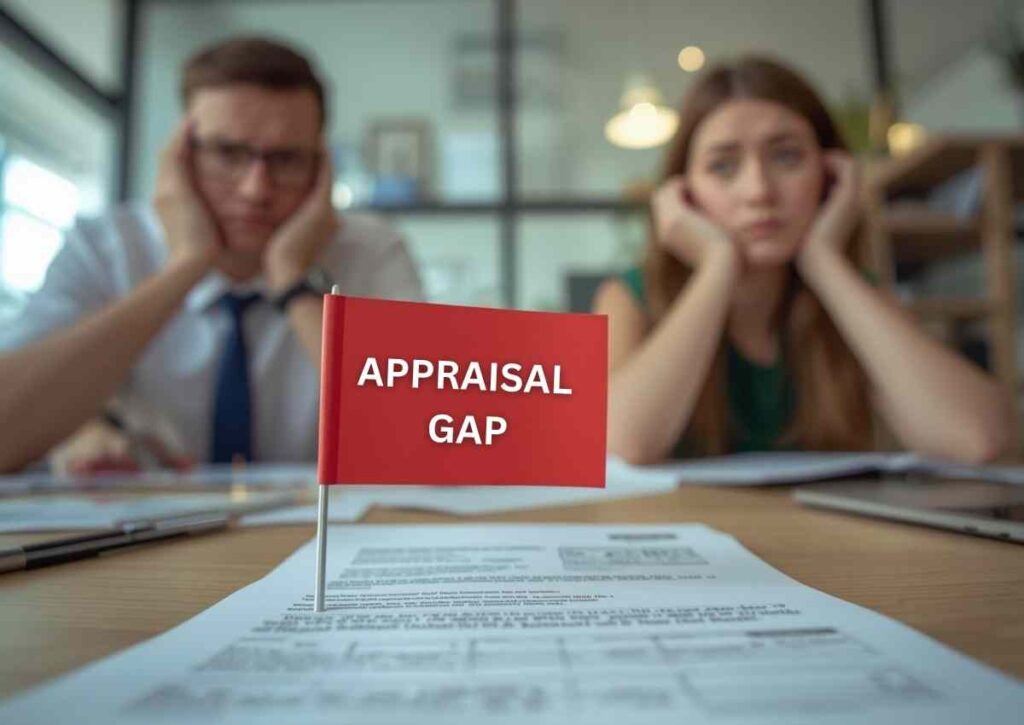
Home Sale Deal Killer #2: Appraisal Gaps
This is the one that catches sellers off guard because everything looks fine… until it isn’t.
You’ve got a signed contract.
Buyer is excited.
Inspection didn’t blow anything up.
And then the appraisal comes in low.
Now the deal is in trouble.
The Appraisal Process & What it Determines
The lender orders an appraisal to determine what the home is worth based on market-supported data—not what it’s listed for and not what the buyer agreed to pay.
That number is what the bank uses to decide how much they’re willing to lend.
Because at the end of the day, the lender is protecting its position. If the buyer defaults, the lender is the one left with the property. They need to know what they could realistically recover by selling it.
An appraisal isn’t just one number pulled from comps. It’s built from a few key factors:
- Recent comparable sales (closed sales)
What similar homes in the same area actually sold for; this carries the most weight. - Adjustments for differences
Square footage, condition, upgrades, lot size, pool, garage, etc. - Property condition and effective age
Not just how old things are—but how they present and function today. - Market trends
Whether values are rising, flat, or softening in that specific area. - Location factors
Street, neighborhood, waterfront vs. interior, proximity to noise or commercial areas. - Functional layout and livability
Floor plan, flow, and whether the home matches buyer expectations for the area.
They use all of this to arrive at a value that is defensible, consistent, and supported by real data.
If the home doesn’t appraise at the contract price, the lender does not just “work with it.”
They adjust the loan.
Where the Deal Breaks
Let’s say you’re under contract at $475,000.
The appraisal comes back at $450,000.
Now one of three things has to happen:
- The buyer brings an extra $25,000 in cash
- The seller reduces the price
- Or the deal falls apart
Most buyers are not planning to bring extra cash on top of their down payment and closing costs. Even if they can, this is usually the moment where they pause and think:
“Am I overpaying for this house?”
That hesitation is enough to kill momentum.
Why This Happens More in 2026
Buyers are not stretching the way they were a few years ago.
They’re more payment-sensitive.
They’re watching insurance.
They’re paying attention to total cost.
So when an appraisal comes in low, it doesn’t just create a math problem—it creates doubt.
And doubt is what kills deals.
The Subtle Problem Most Sellers Miss
Appraisals don’t care about:
- Your upgrades if they’re not reflected in comps
- What your neighbor listed for
- What you “need” to get out of the home
They care about closed sales.
If your price is ahead of the comps, the appraisal will expose it.
How To Avoid an Appraisal Gap When Selling Your Home
It starts with being aligned from the beginning.
- Price based on recent sold properties, not active listings
- Be realistic about upgrades vs. market value
- Pay attention to what the last few deals in your area actually did
And this is where the right guidance makes a real difference:
- When you work with me, you’ll have an agent who understands how appraisals actually work
Not just pricing—but how appraisers evaluate value, what adjustments matter, and what doesn’t.
Before making improvements to increase your sale price, it helps to understand:
- Will this improvement be reflected in the appraisal?
- Or is it something that improves presentation but not measurable value?
Because not all updates are treated the same.
Some support value.
Some support buyer appeal.
And some have little to no impact on how the home is appraised.
As your real estate agent, I can help you:
- Decide what’s worth doing before you list
- Avoid spending money where it won’t translate to value
- Position your home based on real market data
And most importantly:
Don’t assume that because a buyer agreed to the price, the deal is secure. The appraisal is where that gets confirmed.
But when your pricing is supported, your data is clear, and your home is positioned correctly from the start, the appraisal becomes a formality, not a surprise.
That’s what keeps your deal moving forward without interruption.

Home Sale Deal Killer #3: Buyer Risk Perception
This is the one that doesn’t show up on paper—but it influences everything while you’re under contract.
The inspection might come back manageable.
The appraisal might support the price.
And the buyer still starts to hesitate.
What Is Buyer Risk Perception?
Buyer risk perception is the moment a buyer stops evaluating the home based on what’s in front of them and starts thinking about what could go wrong after they own it. It’s not about one major issue. It’s how everything comes together.
Here are the kinds of things buyers notice on a tour that create that uncertainty early:
- Obvious do-it-yourself repairs that look rushed, uneven, or mismatched
- Unfinished projects (trim not completed, exposed areas, missing fixtures)
- Areas that look like they’ve been left in disrepair for a long time
- Signs of neglect rather than normal wear
- Lack of basic maintenance (dirty filters, buildup, visible wear that hasn’t been addressed)
- Systems that appear unserviced or poorly maintained
- Patchwork fixes instead of clean, consistent repairs
- One room fully updated while adjacent areas feel outdated or ignored
- Small details that don’t function properly (loose handles, sticking doors, misaligned cabinets)
- Visual inconsistencies that make the home feel pieced together instead of cared for
None of these have to be major to matter.
They signal how the home has been cared for overall.
Buyer risk perception doesn’t just affect whether someone makes an offer—it carries into what happens after they do.
Yes, a buyer may still move forward and submit an offer because they genuinely like the home, the layout, or the location. But those small uncertainties don’t disappear.
They stay in the back of the buyer’s mind.
Then once the home is under contract and the inspection period begins, those same details get looked at more closely.
What felt minor during the showing starts to feel more significant when it’s tied to reports, estimates, and real ownership.
That’s when hesitation shows up—and that’s when deals start to fall apart.
When Can a Buyer Actually Walk Away?
In most contracts, buyers have specific windows where they can exit:
- Inspection period (most common)
- Financing contingency
- Insurance contingency
During these periods, buyers don’t need a catastrophic reason.
They just need enough uncertainty to justify stepping back.
Where Risk Perception Actually Kills the Deal
It doesn’t happen after everything is locked in. It happens during the inspection / due diligence window.
Here’s what that looks like:
- The inspection report comes back “not terrible”… but not clean
- Insurance quotes come in higher than expected
- The home feels like it has a lot of “almost problems”
Nothing individually kills the deal. But together, it changes how the buyer feels.
They start thinking:
- “This feels like more than I signed up for”
- “I don’t know what this is going to turn into”
- “I’m not confident moving forward anymore”
And then they use whatever contingency is still open to exit.
How Do You Reduce Buyer Risk Perception Before You List?
You don’t need a perfect house. You need a house that feels consistent and cared for.
- Address obvious do-it-yourself repairs so they don’t raise questions
- Finish incomplete projects before buyers ever see them
- Take care of visible maintenance items that signal neglect
- Make sure key systems are serviced and functional (older systems may need replacement)
- Create consistency from one end of the home to the next
Small details matter here because they shape how the entire home is perceived. When those details are clean and consistent, buyers can move forward with confidence.
The Bottom Line
Most deals don’t fall apart because of one major issue. They fall apart because something doesn’t hold up under closer review.
- The inspection raises concerns
- The appraisal doesn’t support the price
- Or the home starts to feel uncertain
All of this can happen after you’re already under contract.
That’s why the work isn’t just getting the offer. It’s making sure the deal holds together all the way through closing.
When you’re ready to list your Southwest Florida home, give me a call. Together, we’ll position it the right way from the start—so your deal doesn’t just get under contract, it stays together all the way to closing.

There are 10 significant steps, or points to consider. Each step is an important part of your successful Florida home purchase

Let's Talk Duplexes!
Ready to explore duplexes for sale? Contact me today! I’m here for you every step of the way.